Total: $0.00 USD
Taxes and shipping calculated at checkout


Cadiant Jewelry is a fine jewelry brand that focuses on high-quality every day jewelry that does not hurt your skin.
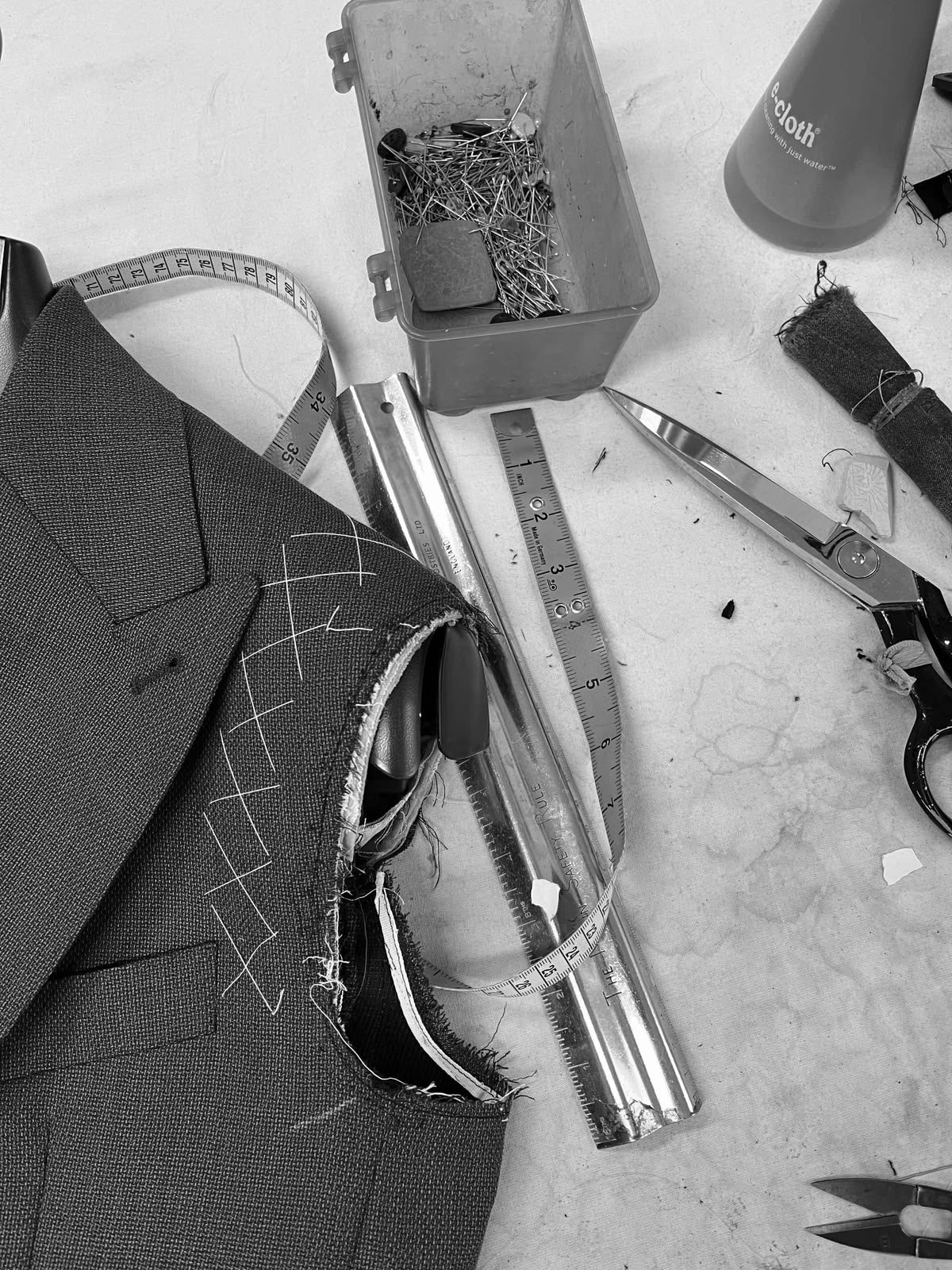
A well-made suit is much more than fabric stitched together.
Every component—from the lapels and shoulders to the vents and canvassing—plays a role in how a suit looks, fits, and performs. Understanding the anatomy of a suit helps you make smarter decisions when buying a ready-to-wear, made-to-measure, or bespoke garment.
Whether you're purchasing your first custom suit or refining your tailoring knowledge, this guide explains every important part of a suit and how each element impacts style, comfort, and functionality.
The main parts of a suit include the jacket, lapels, collar, shoulders, chest, buttons, pockets, sleeves, vents, lining, canvassing, and trousers. Each component affects the suit's fit, appearance, durability, and formality. Understanding these elements allows you to choose the right suit for your body shape and personal style.

Most men focus only on color and fit when buying a suit.
However, experienced dressers know that details matter.
The difference between an average suit and an exceptional suit often comes down to:
Lapel design
Shoulder construction
Canvas structure
Pocket style
Vent configuration
Trouser details
Understanding these components helps you:
Choose better-fitting garments
Customize your suit confidently
Recognize quality tailoring
Communicate effectively with a tailor
A traditional suit consists of two primary garments:
The jacket is the most visible part of the suit and contains the majority of customization options.
Suit trousers complement the jacket and significantly influence the overall silhouette.
Together, these components create a balanced and cohesive appearance.
The collar sits around the neck and forms the foundation of the jacket's upper structure.
A properly fitted collar should:
Sit flush against the shirt collar
Remain comfortable when buttoned
Prevent gaps at the back of the neck
A collar that pulls away from the neck is often a sign of poor fit.
Lapels are the folded sections of fabric running from the collar to the jacket's top button.
They are one of the most important design elements of a suit.
The most common lapel style.
Best for:
Business suits
Everyday tailoring
First-time suit buyers
Features upward-pointing edges.
Best for:
Formal occasions
Wedding suits
Double-breasted jackets
Peak lapels create a stronger and more powerful appearance.
Features a continuous curved edge without notches.
Best for:
Tuxedos
Black tie events
Evening wear
Many tailors consider the shoulders the most important part of a jacket.
Unlike other areas, shoulder alterations can be difficult and expensive.
Contain padding to create a sharper silhouette.
Often seen in:
Business suits
Formal tailoring
Contain minimal padding.
Popular in:
Italian tailoring
Casual tailoring
Summer suits
The shoulder construction significantly affects the overall character of the garment.
The chest area provides structure and shape to the front of the jacket.
A well-tailored chest should:
Lie smoothly
Avoid pulling
Avoid excessive looseness
Quality chest construction contributes to the suit's drape and comfort.
Button configuration influences both style and formality.
The most versatile option.
Suitable for:
Business wear
Weddings
Daily use
Offers a slightly more traditional appearance.
Features overlapping front panels.
Ideal for:
Formal occasions
Statement dressing
Classic tailoring enthusiasts
Button stance refers to the position of the jacket's primary fastening button.
A higher button stance:
Lengthens the legs
Shortens the torso visually
A lower button stance:
Lengthens the torso
Creates a relaxed appearance
Experienced tailors use button placement to improve visual proportions.
Pocket design affects both function and aesthetics.
The most common style.
Suitable for:
Business suits
Formal wear
Sewn onto the exterior of the jacket.
Best for:
Casual tailoring
Summer jackets
Minimalist pockets without flaps.
Commonly found on:
Tuxedos
Formal jackets
Located on the left side of the chest.
Primarily used for:
Pocket squares
Decorative styling
A pocket square adds personality and visual interest to a suit.
Sleeves should allow natural movement while maintaining clean lines.
A properly fitted sleeve typically reveals a small portion of the shirt cuff.
This creates a polished and balanced appearance.
Working buttonholes on the sleeve.
Traditionally associated with higher-end tailoring.
Vents are slits located at the back of the jacket.
They improve mobility and comfort.
Located in the center.
Common in American tailoring.
Located on both sides.
Common in British tailoring.
Benefits include:
Better movement
Cleaner drape
Improved appearance when seated
Features no rear vent.
Typically reserved for tuxedos and highly formal garments.
The lining is the fabric inside the jacket.
Functions include:
Comfort
Structure
Durability
Provides additional structure.
Best for:
Formal suits
Cooler climates
Balances breathability and structure.
Popular in summer tailoring.
Offer maximum airflow and comfort.
Canvassing is one of the most important indicators of suit quality.
The canvas is the internal layer that gives the jacket its shape.
Uses adhesive to bond layers together.
Advantages:
Lower cost
Disadvantages:
Less durability
Reduced drape
Canvas extends through the chest area.
Advantages:
Better shape retention
Improved comfort
Canvas runs throughout the entire jacket.
Advantages:
Superior drape
Better longevity
Enhanced comfort
Many tailoring experts consider full-canvas construction the gold standard.
Custom suits often include personalized interior features.
Common options include:
Contrast lining
Monograms
Interior pockets
Hidden compartments
These details enhance functionality and personalization.
Suit trousers are just as important as the jacket.
Poorly fitted trousers can undermine an otherwise excellent suit.
The waistband determines comfort and support.
Options include:
Belt loops
Side adjusters
Suspender buttons
Pleats provide additional room through the waist and thighs.
Offer moderate comfort and a classic appearance.
Provide additional movement and drape.
Increasingly popular in modern tailoring.
The break refers to where the trousers meet the shoes.
Common options include:
No break
Quarter break
Half break
Full break
Cuffs add visual weight to the trousers and create a more traditional appearance.
No single component determines the quality of a suit.
The best garments achieve a balance between:
Fit
Fabric
Construction
Design
Personal style
For example:
A peak lapel may work beautifully with a double-breasted jacket but appear too formal for a casual summer suit.
Similarly, full-canvas construction may be ideal for a business wardrobe but unnecessary for an occasional event suit.
Understanding these relationships helps buyers make better tailoring decisions.
Fit should always take priority over trends.
Many buyers focus on fabric while overlooking canvassing quality.
Lapel proportions should complement body shape and jacket design.
Pleats, hems, and rise significantly affect overall appearance.
Understanding the parts of a suit allows you to move beyond simply buying a garment and start making informed tailoring decisions.
From lapels and shoulders to vents and canvassing, every component contributes to the suit's overall character, comfort, and performance.
Whether you're investing in a made-to-measure suit or commissioning a bespoke garment, knowledge of suit anatomy helps ensure every detail works together to create a suit that looks and feels exceptional.
The main parts include the jacket, lapels, collar, shoulders, chest, buttons, pockets, sleeves, vents, lining, canvassing, and trousers.
Fit is generally considered the most important aspect, although shoulders and canvassing play major roles in overall appearance.
Lapels are the folded sections of fabric extending from the collar to the front buttons of the jacket.
Canvassing is the internal structure that gives a suit jacket its shape, drape, and durability.
Vents improve comfort, mobility, and how the jacket drapes when standing or sitting.
Every detail matters when creating a custom suit. From lapel width and pocket style to canvassing and trouser design, a personalized suit allows you to choose the features that best suit your style, body shape, and occasion.


