Total: $0.00 USD
Taxes and shipping calculated at checkout


Cadiant Jewelry is a fine jewelry brand that focuses on high-quality every day jewelry that does not hurt your skin.
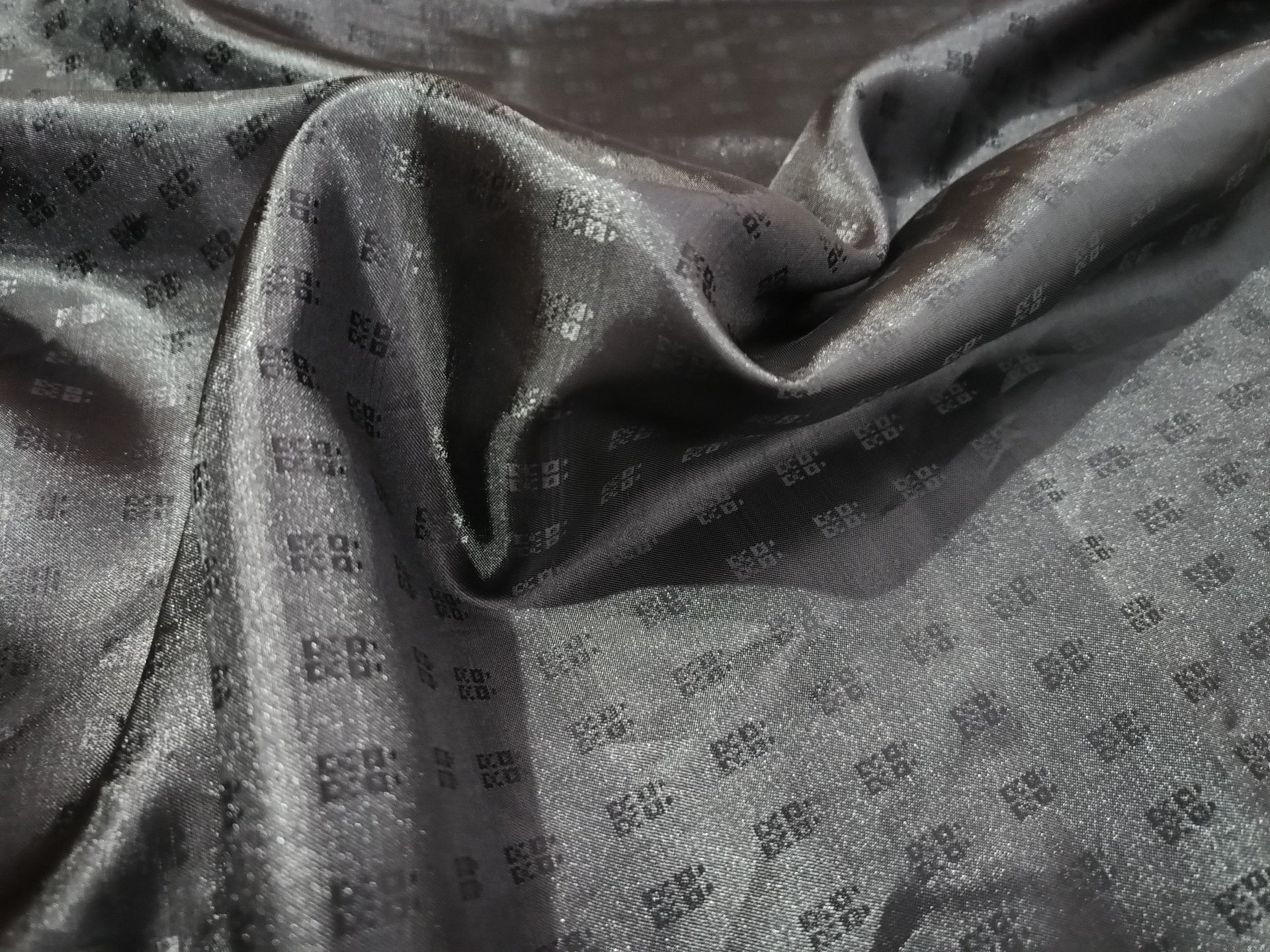
When most people design a custom suit, they focus on fabric, lapels, buttons, and fit.
However, one of the most important customization decisions is often hidden inside the jacket—the lining.
Suit lining affects comfort, breathability, structure, durability, and even personal expression. The right lining can make a suit more comfortable in hot weather, improve drape, or add a unique touch that only the wearer sees.
In this guide, you'll learn everything about suit lining options, including full-lined, half-lined, and unlined jackets, lining materials, seasonal recommendations, and how to choose the best option for your custom suit.
Suit lining is the interior fabric layer sewn inside a jacket. Full-lined jackets provide maximum structure and durability; half-lined jackets balance breathability and support, while unlined jackets offer the lightest and coolest wearing experience. The best choice depends on your climate, occasion, and personal style.

Suit lining is the fabric attached to the inside of a jacket.
It serves several purposes:
While often overlooked, lining significantly influences how a suit feels throughout the day.
The lining affects much more than appearance.
A well-chosen lining can improve:
Quality lining reduces friction against shirts and allows easier movement.
Different lining configurations affect airflow and temperature regulation.
The lining protects the outer fabric from body oils and wear.
Lining helps maintain the jacket's shape over time.
Custom linings allow wearers to add personality to an otherwise classic garment.
Most custom jackets fall into one of three categories:
Each option serves a different purpose.
A full-lined jacket contains lining throughout the entire interior.
The lining covers:
Back panel
Sides
Front panels
Sleeves
Maximum structure
Increased durability
Smooth dressing experience
Cleaner interior finish
Better wrinkle resistance
Less breathable
Slightly warmer
Heavier feel
Business suits
Formal suits
Cooler climates
Year-round office wear
Full lining remains the most common choice for traditional tailoring.
A half-lined jacket removes some lining from the back portion of the garment.
The upper back typically remains lined while the lower back is exposed.
Better airflow
Reduced weight
Increased comfort
Balanced structure
Slightly less structure
Less interior coverage
Four-season suits
Business casual tailoring
Moderate climates
Most custom suit buyers
Many tailoring professionals consider half lining the ideal middle ground.
An unlined jacket contains little or no interior lining.
The interior construction is intentionally visible.
Maximum breathability
Extremely lightweight
Relaxed appearance
Ideal hot-weather comfort
Less structure
More visible interior stitching
Reduced durability
Summer tailoring
Travel wardrobes
Casual tailoring
Tropical climates
Unlined jackets have become increasingly popular in contemporary tailoring.
| Feature | Full Lined | Half Lined | Unlined |
|---|---|---|---|
| Structure | Excellent | Very Good | Moderate |
| Breathability | Moderate | Good | Excellent |
| Weight | Heaviest | Medium | Lightest |
| Durability | Excellent | Very Good | Good |
| Formality | High | Medium-High | Medium |
| Summer Comfort | Fair | Good | Excellent |
Not all linings are created equal.
The material used can dramatically affect comfort.
Polyester is commonly found in lower-priced suits.
Affordable
Durable
Easy to maintain
Less breathable
Can feel warm
Viscose is one of the most popular lining materials in quality custom suits.
Smooth texture
Breathable
Comfortable
Attractive appearance
Less durable than some alternatives
Bemberg is widely regarded as one of the best suit lining materials.
Exceptional breathability
Luxurious feel
Excellent moisture management
Lightweight comfort
Higher cost
Many premium tailoring houses favor Bemberg for high-end garments.
Silk is occasionally used in luxury tailoring.
Luxurious texture
Elegant appearance
Expensive
Delicate
Generally reserved for special-occasion garments.
Climate should influence your decision.
Recommended:
Unlined
Half-lined
Lightweight viscose
Bemberg
Recommended:
Half-lined
Full-lined lightweight jackets
Recommended:
Full-lined jackets
Heavier constructions
Recommended:
Full lining
Half lining
These provide structure and professionalism.
Recommended:
Full lining
Luxury lining materials
Weddings often justify greater customization.
Recommended:
Half lining
Unlined construction
These create a softer and more relaxed appearance.
One of the most enjoyable aspects of custom tailoring is selecting a lining.
Popular options include:
Navy
Burgundy
Silver
Black
Emerald green
Royal blue
Deep red
Purple
Paisley
Floral
Geometric
Abstract designs
Patterned linings allow personal expression without affecting the exterior appearance.
Contrast linings have become increasingly popular.
Benefits include:
Unique personalization
Distinctive appearance
Memorable details
However, highly trendy designs may age faster than classic choices.
For long-term versatility, timeless colors often work best.
Comfort and breathability should also be considered.
A heavily lined jacket may feel uncomfortable in hot weather.
Classic designs typically provide greater longevity.
The lining should complement the outer cloth.
For most custom suit buyers, a half-lined jacket with a breathable lining material such as viscose or Bemberg offers the best combination of comfort, structure, versatility, and long-term wearability.
It performs well across multiple climates and occasions while maintaining a refined appearance.
Suit lining may be hidden from view, but it has a major impact on comfort, structure, and personalization.
Whether you choose a full-lined business suit, a versatile half-lined jacket, or an unlined summer garment, understanding your options helps you create a suit that performs as well as it looks.
The best lining is one that matches your climate, lifestyle, and personal preferences while supporting the overall purpose of the suit.
Suit lining improves comfort, structure, durability, and ease of movement while helping protect the outer fabric.
Not necessarily. Full-lined suits provide more structure, while half-lined and unlined options offer greater breathability.
Bemberg and high-quality viscose are often considered among the best options due to their comfort and breathability.
Yes. Unlined suits are excellent for warm climates and casual tailoring because they maximize airflow and reduce weight.
Half-lined and unlined jackets using breathable lining materials are typically the best choices for hot weather.
Personalize every detail of your custom suit, from the outer fabric to the interior lining. Select the lining style, material, and color that best matches your climate, comfort preferences, and personal style.


