Total: $0.00 USD
Taxes and shipping calculated at checkout


Cadiant Jewelry is a fine jewelry brand that focuses on high-quality every day jewelry that does not hurt your skin.
One of the biggest concerns people have when ordering a custom suit online is measurements.
Many assume that taking suit measurements requires a professional tailor. While professional measurements are always ideal, it is entirely possible to measure yourself accurately at home with the right tools and process.
Accurate measurements are the foundation of a great-fitting suit. Even the finest fabric and craftsmanship cannot compensate for incorrect sizing.
This guide explains exactly how to measure yourself for a suit, including every measurement needed for a custom jacket and trousers.
To measure yourself for a suit, you'll need a soft measuring tape, a fitted shirt, and ideally a helper. Record your chest, shoulders, waist, hips, sleeve length, jacket length, neck, inseam, outseam, thigh, and knee measurements. Keep the tape snug but not tight, stand naturally, and avoid holding your breath during measurements.
Preparing correctly improves measurement accuracy.
Soft measuring tape
Fitted dress shirt or t-shirt
Full-length mirror
Notebook or measurement sheet
A friend or family member (recommended)
Wear lightweight clothing that closely follows your body shape.
Avoid:
Hoodies
Thick sweaters
Jackets
Bulky clothing
Many people make the mistake of standing unnaturally straight.
Stand as you normally would.
A custom suit should fit your natural posture, not an exaggerated one.
Before starting, you'll need to record:
Chest
Stomach
Waist
Shoulders
Sleeve length
Bicep
Wrist
Jacket length
Neck
Waist
Seat (hips)
Thigh
Knee
Inseam
Outseam
Bottom opening
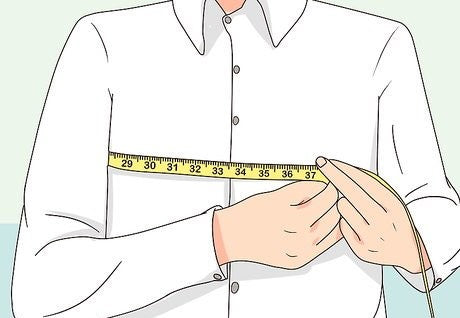
The chest measurement is the most important jacket measurement.
Wrap the tape around the fullest part of your chest.
Keep the tape parallel to the floor.
Relax your arms at your sides.
Take a normal breath.
Avoid:
Puffing out your chest
Pulling the tape too tight
Measuring over a jacket
Record the measurement in inches or centimeters.
This measurement helps determine jacket comfort when buttoned.
Wrap the tape around the widest part of your stomach.
Stand naturally.
Do not suck in your stomach.
This measurement is especially important for made-to-measure tailoring.
Suit trouser waist measurements differ from jean sizing.
Locate where you normally wear your trousers.
Wrap the tape around your waist.
Keep one finger inside the tape for comfort.
Record the measurement without adding extra room.
Stand with your feet together.
Wrap the tape around the fullest part of your hips and seat.
Keep the tape level.
This measurement affects trouser comfort and mobility.
Shoulder fit is one of the most difficult areas to alter later.
Locate the shoulder points where your shoulder ends.
Measure from one shoulder point to the other across your upper back.
Keep the tape straight.
Having someone assist you is highly recommended.
Place one end of the tape at the shoulder seam.
Measure down to the wrist bone.
Keep your arm slightly bent.
A slight bend provides a more realistic measurement.
Relax your arm.
Measure around the widest part of the upper arm.
Avoid flexing your muscles.
Wrap the tape around your wrist bone.
Keep the tape comfortable but not loose.
This measurement affects sleeve opening size.
Start at the base of the neck.
Measure down the back.
End where you want the jacket to finish.
A classic suit jacket generally covers the seat.
Wrap the tape around the base of the neck.
Insert one finger between your neck and the tape.
This provides enough room for comfort.
Measure around the fullest part of your upper thigh.
Keep the tape level.
This measurement helps achieve proper trouser comfort.
Measure around the knee area.
Stand naturally.
This helps determine trouser taper.
The inseam affects trouser length and break.
Start at the crotch.
Measure down to the bottom of the ankle.
The easiest method is measuring a pair of trousers that already fit well.
Start at the waistband.
Measure down the outside leg.
End at the desired trouser length.
Lay a pair of trousers flat.
Measure across the bottom hem.
Multiply by two.
This determines the width of the trouser opening.
| Measurement | Value |
|---|---|
| Chest | |
| Stomach | |
| Waist | |
| Hips | |
| Shoulders | |
| Sleeve Length | |
| Neck | |
| Jacket Length | |
| Thigh | |
| Knee | |
| Inseam | |
| Outseam | |
| Bottom Opening |
Save this sheet for future orders and tailoring adjustments.
While self-measurement is possible, having assistance improves accuracy significantly.
A helper can:
Keep the tape level
Ensure correct positioning
Reduce measurement errors
Improve consistency
For first-time custom suit buyers, assistance is strongly recommended.
This often results in garments that feel restrictive.
Always measure over light clothing.
Breathe naturally throughout the process.
Suit measurements should always be taken directly from the body.
Never estimate.
Every measurement should be physically recorded.
Small errors can have a noticeable impact on fit.
Ideally:
Chest measurements should be accurate within 0.5 inch
Waist measurements should be accurate within 0.5 inch
Sleeve measurements should be accurate within 0.25 inch
The more precise your measurements, the better the final result.
Once measurements are submitted, they are reviewed by tailoring specialists.
The tailoring team may:
Verify proportions
Request clarification
Recommend fit adjustments
Confirm style preferences
This additional review helps prevent common fitting issues.
The easiest way to improve measurement accuracy is to measure twice.
Take every measurement at least two times and compare the results.
If the numbers differ significantly, measure again until consistent.
A few extra minutes spent measuring can save weeks of alterations later.
Taking your own suit measurements may seem intimidating at first, but the process is straightforward when broken into simple steps.
With a measuring tape, proper posture, and careful attention to detail, you can collect the measurements needed for a well-fitting custom suit from the comfort of your home.
The key is accuracy, patience, and consistency.
A great custom suit starts long before the fabric is cut—it starts with the measurements.
Yes. While assistance improves accuracy, most measurements can be taken at home using a soft measuring tape. Use our measurement calculator.
Key measurements include chest, waist, shoulders, sleeve length, neck, hips, inseam, outseam, thigh, and jacket length.
Wear a fitted shirt or lightweight clothing. Avoid measuring over jackets or bulky garments.
The tape should be snug against the body but not tight enough to compress the skin.
Take each measurement at least twice to verify accuracy.
Ready to create a suit tailored specifically to your body? Submit your measurements and let our tailoring specialists help transform them into a custom suit designed for your fit, style, and occasion.


