Total: $0.00 USD
Taxes and shipping calculated at checkout


Cadiant Jewelry is a fine jewelry brand that focuses on high-quality every day jewelry that does not hurt your skin.
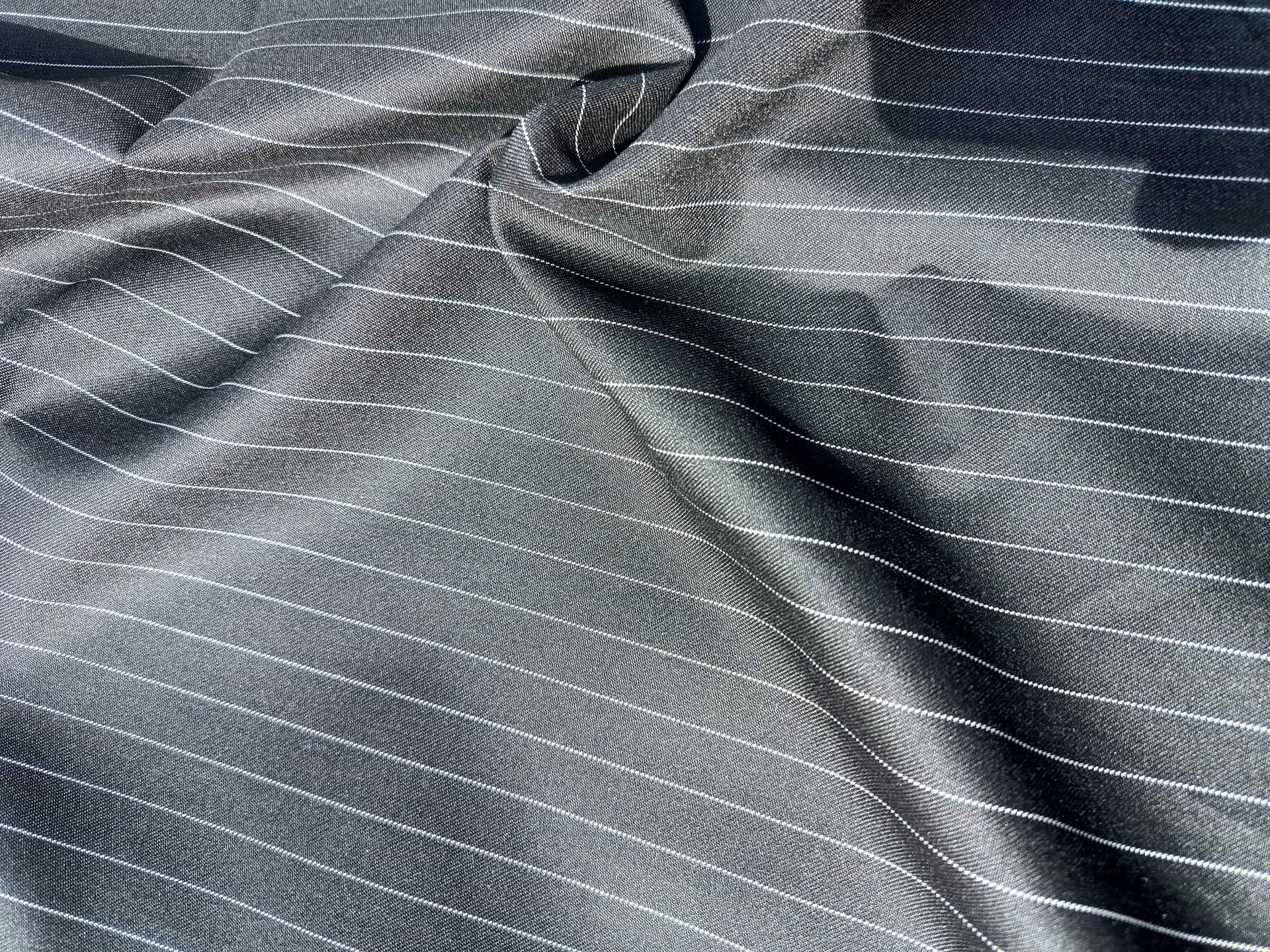
Choosing the right fabric is one of the most important decisions when ordering a custom suit. While style details such as lapels, buttons, and pockets affect appearance, the fabric determines how the suit feels, drapes, performs, and ages over time.
The best suit fabric depends on several factors, including climate, season, occasion, budget, and personal preference. A fabric that performs beautifully in a London winter may feel uncomfortable during an Indian summer. Likewise, a cloth perfect for business meetings may not be ideal for a destination wedding.
This guide covers everything you need to know about suit fabrics, including wool, cashmere, linen, cotton, mohair, silk blends, seasonal fabrics, fabric weights, and how to choose the right material for your lifestyle.
For most men, wool is the best suit fabric because it offers the ideal balance of comfort, durability, breathability, wrinkle resistance, and year-round versatility. Linen excels in hot climates, cashmere provides luxury and softness for cooler seasons, while mohair offers exceptional durability and wrinkle resistance for business and formal wear.

A suit's fabric influences nearly every aspect of its performance.
Fabric affects:
Comfort
Breathability
Drape
Durability
Wrinkle resistance
Warmth
Appearance
Longevity
Two suits with identical construction can perform completely differently simply because of the cloth used.
Choosing the right fabric ensures your suit works with your lifestyle rather than against it.
Before discussing individual fabrics, it's important to understand fabric weight.
Fabric weight is typically measured in grams per square meter (GSM) or ounces.
| Weight | GSM | Best For |
|---|---|---|
| Lightweight | 180–250 GSM | Summer |
| Midweight | 260–320 GSM | Year-Round |
| Heavyweight | 320+ GSM | Winter |
Advantages:
Maximum breathability
Ideal for warm climates
Comfortable in summer
Disadvantages:
Wrinkle more easily
Less structure
The most versatile category.
Suitable for:
Business wear
Weddings
Daily use
Most climates
Advantages:
Better drape
Increased warmth
Greater durability
Ideal for colder regions and winter tailoring.
Wool is the most popular suit fabric in the world.
Most premium custom suits are made from wool because it offers exceptional versatility.
Breathable
Durable
Wrinkle resistant
Comfortable year-round
Excellent drape
Business suits
Wedding suits
Formalwear
Daily professional wear
Mild climates
Four-season use
First-time custom suit buyers should usually start with wool.
Many suit fabrics include labels such as:
Super 100s
Super 120s
Super 150s
Super 180s
These numbers refer to fiber fineness.
Durable
Practical
Business-friendly
Excellent balance
Popular for daily wear
Softer hand feel
More luxurious
Extremely soft
Premium luxury
Requires greater care
For most buyers, Super 110s to Super 130s provide the best combination of durability and luxury.
Cashmere is sourced from the undercoat of cashmere goats.
It is considered one of the most luxurious natural fibers available.
Exceptional softness
Lightweight warmth
Premium appearance
Higher cost
Less durable than wool
Requires careful maintenance
Luxury business suits
Winter tailoring
Special occasions
Cool to cold weather
Linen is famous for its relaxed character and exceptional breathability.
Extremely breathable
Lightweight
Excellent airflow
Wrinkles easily
Less formal appearance
Beach weddings
Summer suits
Resort wear
Hot weather
Tropical regions
Mediterranean climates
Cotton offers a comfortable alternative to traditional wool suits.
Soft texture
Breathable
Affordable
Wrinkles more than wool
Less natural drape
Business casual attire
Smart casual events
Travel wardrobes
Spring
Summer
Mild weather
Mohair is produced from the Angora goat.
It is often blended with wool to improve performance.
Excellent wrinkle resistance
Crisp appearance
Durable structure
Slightly firmer hand feel
Business suits
Formal events
Frequent travelers
Warm climates
Year-round wear
Silk is often blended with wool rather than used alone.
Luxurious sheen
Soft texture
Enhanced drape
Delicate
More expensive
Wedding suits
Formal occasions
Luxury tailoring
Tweed is a heavyweight wool fabric associated with classic British tailoring.
Warmth
Durability
Distinct texture
Too heavy for warm climates
Autumn wardrobes
Winter tailoring
Country style clothing
Flannel is brushed wool with a soft texture.
Warm
Comfortable
Elegant drape
Not suitable for hot climates
Winter business suits
Seasonal tailoring
| Season | Best Fabrics |
|---|---|
| Spring | Wool, Cotton |
| Summer | Linen, Cotton, Poly Blend |
| Autumn | Wool, Mohair, Flannel, |
| Winter | Cashmere, Flannel, Tweed |
Recommended:
Linen
Ploy Blend
Cotton
Recommended:
Midweight Wool
Wool Blends
Recommended:
Flannel
Cashmere
Tweed
| Occasion | Recommended Fabric |
|---|---|
| Business | Wool |
| Wedding | Wool, Silk, Polyester Blend |
| Summer Wedding | Linen |
| Black Tie | Wool, Mohair Blend |
| Daily Office Wear | Wool |
| Travel | Mohair Blend |
When selecting a custom suit fabric, consider:
Will you wear the suit in hot or cold conditions?
Daily use requires more durable fabrics.
Business and wedding suits often require different fabrics.
Premium fabrics typically command higher prices.
Some men prefer the crisp structure of mohair, while others enjoy the softness of cashmere.
A soft fabric is not always the most practical.
Many buyers select fabrics that are unsuitable for local weather.
Higher Super numbers are not always better.
Durability should be considered alongside luxury.
For most first-time custom suit buyers, a midweight wool fabric in the Super 110s–130s range offers the best combination of comfort, durability, versatility, and value.
It works well across multiple seasons and occasions while maintaining a professional appearance.
The fabric you choose will ultimately determine how your custom suit looks, feels, and performs.
While wool remains the most versatile option for most men, linen, cashmere, mohair, cotton, flannel, and silk blends all have their place depending on climate, occasion, and personal preference.
Investing time in selecting the right cloth ensures that your custom suit becomes a garment you'll enjoy wearing for years.
Wool is generally considered the best all-around suit fabric because of its versatility, durability, comfort, and year-round performance.
Cashmere is softer and more luxurious, but wool is typically more durable and practical for regular use.
Linen, cotton, and tropical wool are among the best options for warm-weather tailoring.
Mohair blends and midweight wool fabrics are among the most durable choices for frequent wear.
Midweight wool between 260 and 320 GSM is typically considered ideal for year-round use.
Explore our collection of premium wool, cashmere, linen, mohair, and luxury fabric blends to create a custom suit tailored to your climate, style, and occasion.


