Total: $0.00 USD
Taxes and shipping calculated at checkout


Cadiant Jewelry is a fine jewelry brand that focuses on high-quality every day jewelry that does not hurt your skin.
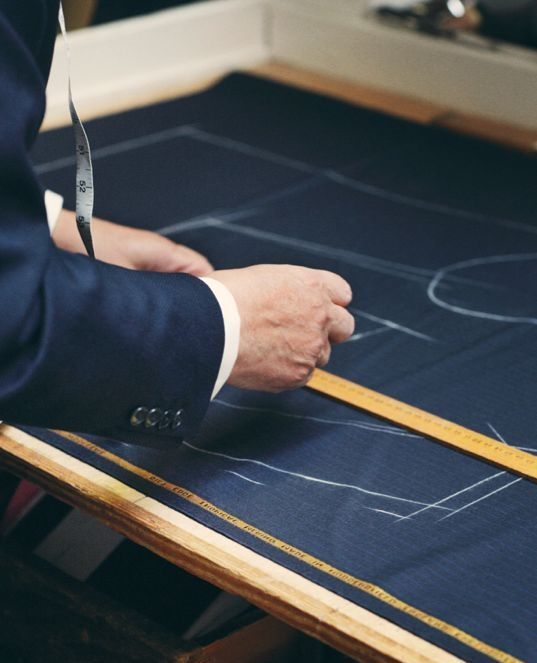
Most people admire the finished suit. The sharp lapels, clean lines, and perfect fit immediately stand out. What many don't see is the craftsmanship, precision, and expertise involved in creating that garment.
Unlike off-the-rack suits that are mass-produced in standard sizes, custom suits are built around the individual. Every measurement, fabric choice, and design detail is selected with a specific wearer in mind.
Whether you're considering your first custom suit or simply curious about the tailoring process, understanding how custom suits are made can help you appreciate the value of personalized tailoring.
Custom suits are made through a detailed process that includes consultation, fabric selection, body measurements, pattern creation, fabric cutting, garment construction, fittings, alterations, and final finishing. Each step is tailored to the wearer's body shape, style preferences, and intended use, resulting in a garment that fits significantly better than a standard ready-to-wear suit.

A custom suit is not simply a different size of a mass-produced garment.
Instead, it is designed around the individual wearing it.
A skilled tailor considers factors such as:
Shoulder slope
Posture
Chest shape
Waist proportion
Arm length
Leg shape
Personal style preferences
These details allow the tailor to create a garment that complements the wearer's body rather than forcing the wearer to adapt to standard sizing.
The result is a suit that offers better comfort, improved appearance, and greater confidence.
Every custom suit begins with a consultation.
This is where the tailor learns about the client's needs and expectations.
During this stage, several important questions are discussed:
What is the suit for?
How often will it be worn?
What is the budget?
What style is preferred?
When is the suit needed?
The purpose of the suit plays a major role in the design process.
For example:
Business suits prioritize versatility and professionalism.
Wedding suits focus on personalization and visual impact.
Black-tie suits follow formal dress codes.
Casual tailored suits offer greater flexibility and comfort.
A clear understanding of the occasion helps guide every decision that follows.
Fabric is the foundation of any great suit.
Even the best tailoring cannot compensate for fabric that is poorly suited to the wearer's needs.
Wool remains the most popular suit fabric because of its versatility.
Benefits include:
Breathability
Durability
Wrinkle resistance
Year-round wearability
Linen is ideal for warmer climates.
Benefits include:
Lightweight feel
Excellent airflow
Relaxed appearance
Flannel is commonly chosen for cooler seasons.
Benefits include:
Warmth
Soft texture
Rich drape
Mohair is often selected for formal and business wear because of its crisp appearance and durability.
Fabric weight affects how the suit performs throughout the year.
Lightweight fabrics are ideal for summer, while heavier fabrics provide structure and warmth during colder months.
Measurements are the backbone of a custom suit.
Even premium fabrics and expert tailoring cannot compensate for inaccurate measurements.
A tailor typically records more than twenty different measurements.
Common jacket measurements include:
Chest
Waist
Shoulder width
Sleeve length
Jacket length
Neck circumference
Common trouser measurements include:
Waist
Seat
Thigh
Knee
Inseam
Outseam
Experienced tailors also analyze:
Forward posture
Shoulder balance
Hip position
Body symmetry
These details help create a more natural fit and improve overall comfort.
Once measurements are complete, the pattern is developed.
The pattern serves as the blueprint for the garment.
For made-to-measure suits, an existing pattern is modified according to the client's measurements.
This process offers a high degree of customization while maintaining efficiency.
For bespoke suits, an entirely new pattern is drafted from scratch.
Every line and proportion is created specifically for the individual wearer.
This level of customization allows the tailor to address unique body characteristics more precisely.

This is often the most exciting stage of the process.
The client selects various design elements that influence the suit's final appearance.
Popular options include:
Notch lapel
Peak lapel
Shawl lapel
Common choices include:
Flap pockets
Patch pockets
Jetted pockets
Clients may choose:
Two-button jackets
Three-button jackets
Double-breasted styles
Customization options often include:
Pleated trousers
Flat-front trousers
Side adjusters
Belt loops
Fold hems
Cuffed hems
These details help create a suit that reflects the wearer's personal style.
After the pattern has been finalized, the fabric is carefully cut.
Precision is essential at this stage.
Even small errors can affect:
Fit
Balance
Symmetry
Pattern alignment
Skilled cutters position each pattern piece strategically to ensure consistency throughout the garment.
The construction phase transforms fabric pieces into a wearable garment.
Individual components are assembled, including:
Front panels
Back panels
Sleeves
Collar
Lapels
Trousers
Fused suits use adhesive materials to bond layers together.
This method is common in lower-cost garments.
Half-canvas construction provides better drape and durability while remaining relatively affordable.
Many premium made-to-measure suits use this method.
Full-canvas construction is considered the gold standard.
Benefits include:
Superior drape
Better longevity
Enhanced comfort
Improved shape retention
Over time, full-canvas suits often become more comfortable as they adapt to the wearer's body.
Once the suit reaches a wearable stage, the first fitting takes place.
The tailor evaluates:
Shoulder fit
Chest balance
Sleeve length
Jacket suppression
Trouser break
This stage allows adjustments to be made before final completion.
Even a well-made custom suit typically requires refinement.
Tailors make adjustments to achieve a cleaner and more balanced fit.
Common refinements include:
Waist suppression
Sleeve adjustments
Trouser tapering
Seat corrections
Jacket balance adjustments
These small improvements often make a significant difference in the final appearance.
Before delivery, the suit undergoes final finishing.
This process includes:
Pressing
Steaming
Thread trimming
Button inspection
Overall quality control
Every detail is reviewed to ensure the garment meets the expected standard.
A great suit is not determined solely by its price.
Several factors contribute to exceptional tailoring.
Fit remains the single most important element of a successful suit.
The fabric should match both the intended use and climate.
Quality construction improves durability and long-term performance.
The best custom suits reflect the wearer's personality while remaining timeless.
When these elements come together, the result is a garment that looks natural, elegant, and comfortable.
Production timelines vary depending on the tailoring method.
| Suit Type | Typical Timeline |
|---|---|
| Off-the-Rack | Same Day |
| Made-to-Measure | 2–6 Weeks |
| Bespoke | 4–12 Weeks |
Factors that influence production time include:
Fabric availability
Construction complexity
Number of fittings
Seasonal demand
Today, many made-to-measure options are accessible to professionals, grooms, and first-time buyers.
Not all custom suits are bespoke.
Made-to-measure and bespoke represent different tailoring methods with different levels of customization.
A properly tailored custom suit is typically more comfortable than a ready-to-wear garment because it is built around the wearer's body.
For people who wear suits regularly, a custom suit can be a worthwhile investment.
Benefits often include:
Better fit
Greater comfort
Longer lifespan
Enhanced confidence
Improved personalization
Rather than paying for a brand name, customers invest in craftsmanship and fit.
The process of making a custom suit involves far more than stitching fabric together.
From the initial consultation to the final fitting, every step is designed to create a garment that fits the individual perfectly.
Understanding how custom suits are made helps buyers make informed decisions and appreciate the craftsmanship behind personalized tailoring.
Whether you're investing in a business suit, wedding suit, or a complete wardrobe upgrade, knowing the process allows you to choose a garment that truly fits your lifestyle and personal style.
Custom suits are made through consultation, measurements, pattern creation, fabric cutting, garment construction, fittings, alterations, and final finishing.
Most made-to-measure suits take between two and six weeks, while bespoke suits can take four to twelve weeks depending on the number of fittings required.
Custom suits fit better because they are built around an individual's measurements, body shape, posture, and style preferences.
Made-to-measure suits modify an existing pattern, while bespoke suits use a completely unique pattern created specifically for the wearer.
For many professionals and frequent suit wearers, the improved fit, comfort, personalization, and longevity make custom suits a worthwhile investment.
A well-made custom suit begins with the right measurements, fabric, and tailoring expertise. Explore Indie Darzi's made-to-measure options and create a suit designed specifically for your body, style, and occasion.


